Select the Lecture below – Click again to close : Select images to enlarge
Friday 27 July 2018 – The Stones of Oxford: A visual history of the buildings of the University of Oxford
Lecturer: Christopher Rogers
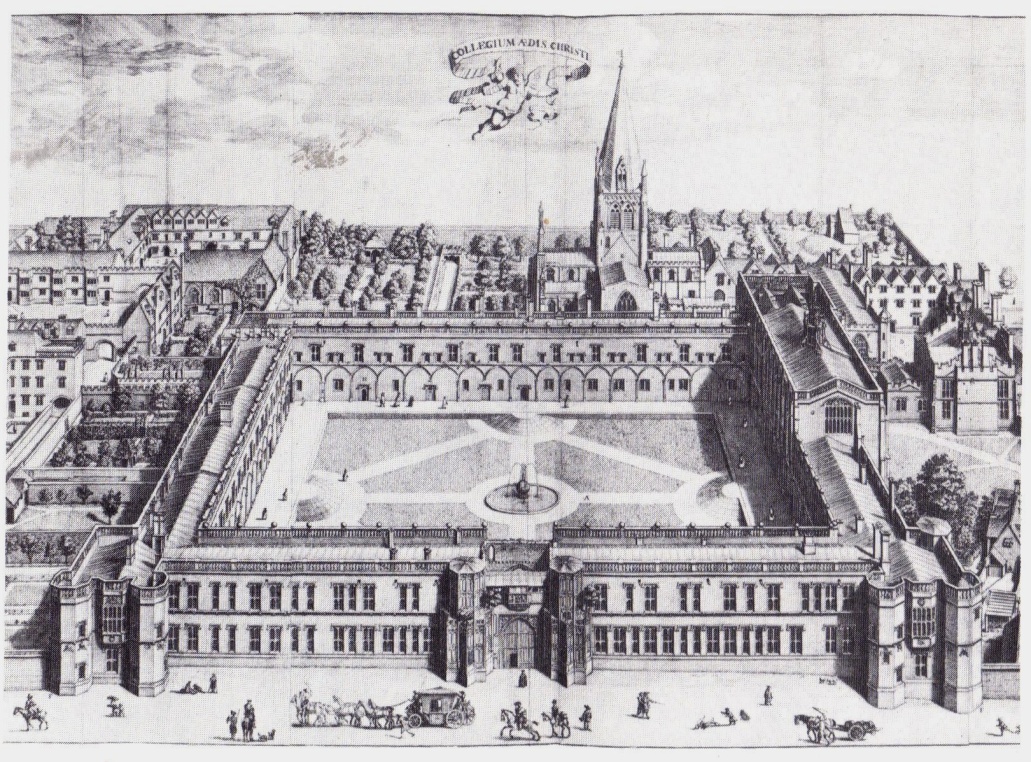
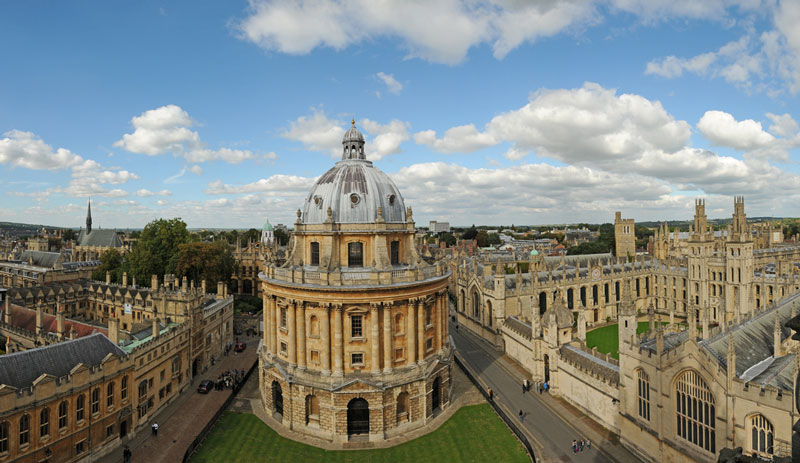
A historic review of the spectacular architecture of Oxford and its university. Oxford probably contains the finest surviving townscape in Europe. The lecture begins with a review of the work of Cardinal Wolsey at Christchurch before laying emphasis on the creation of the great Baroque buildings of The Queen’s College, Christchurch, Trinity and Worcester. The latter part of the lecture explores the role of the 19th century architects, especially Pugin and Scott, and finishes with the building of Keble and the Oxford Museum; two of the most important buildings of the Gothic Revival.
Friday 28 September 2018 – Misshapen Pearl – An Overview of the Music of the Baroque Era
Lecturer: Sandy Burnett
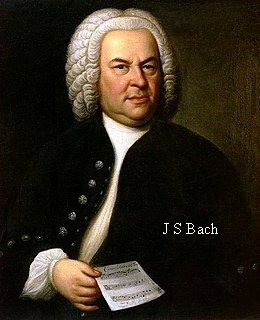
Starting in 1607 with Monteverdi’s astonishing opera Orfeo, and ending in 1759 with the death of that great “English” composer George Frideric Handel, the Baroque era produced music of great brilliance and emotional depth. In helping to navigate us through its choppy waters, Sandy draws on his experience as broadcaster, conductor and hands-on practical musician. His in-depth exploration of this fascinating period of Classical music draws on hand-picked images, autograph scores and recorded musical illustrations, with a special focus on the work of Johann Sebastian Bach.
Monteverdi
J S Bach
Friday 26 October 2018 – World War One: Art, Music and Poetry; Wilfred Owen and his Contemporaries
Lecturer: Denis Moriarty
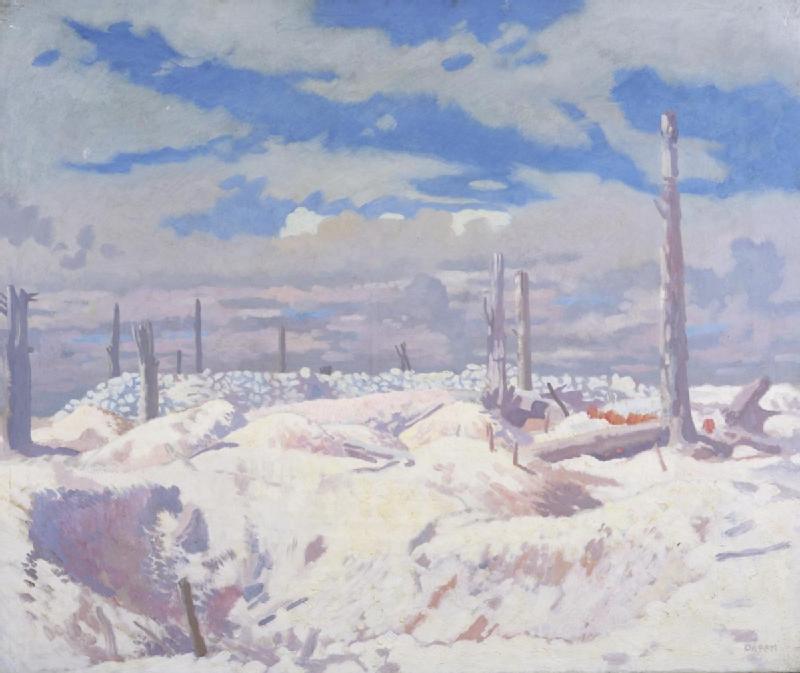
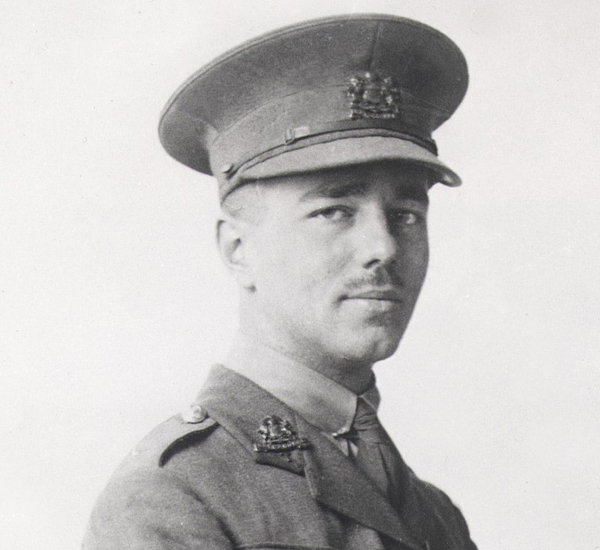
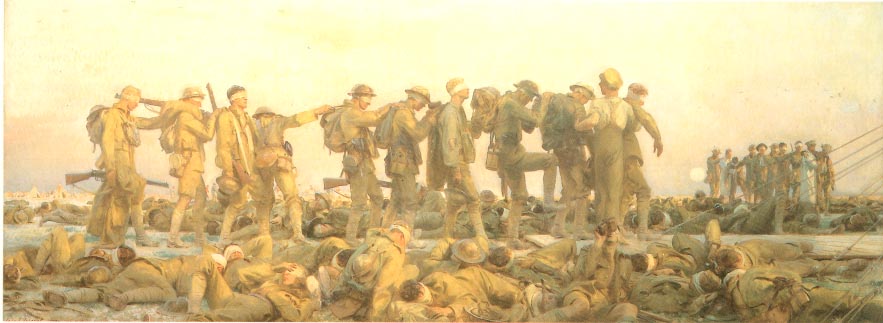
Wilfred Owen is at the heart of the most famous and familiar poetry to emerge from the trauma of the First World War. This lecture sets his poems in the context of his fellow-soldiers, Brooke, Sassoon, A.A. Milne and others, and is illustrated by war artists such as Orpen, Nevinson and Sargent, photographs from the battlefields, the music of Elgar, Butterworth, Ivor Gurney and Benjamin Britten, and the songs of the soldiers from the trenches.
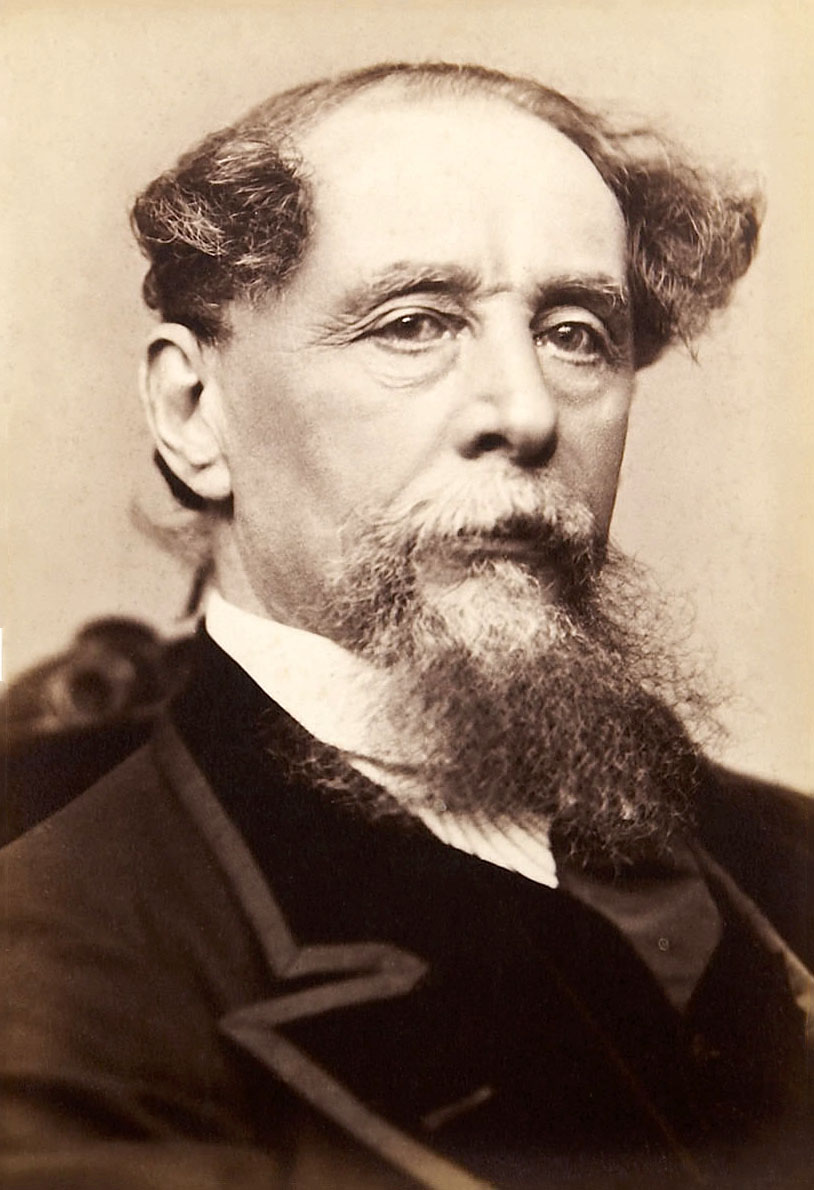
Friday 23 November 2018 – Charles Dickens Conjurer: The story of Charles Dickens as a magician told through one of his playbills.
Charles Dickens
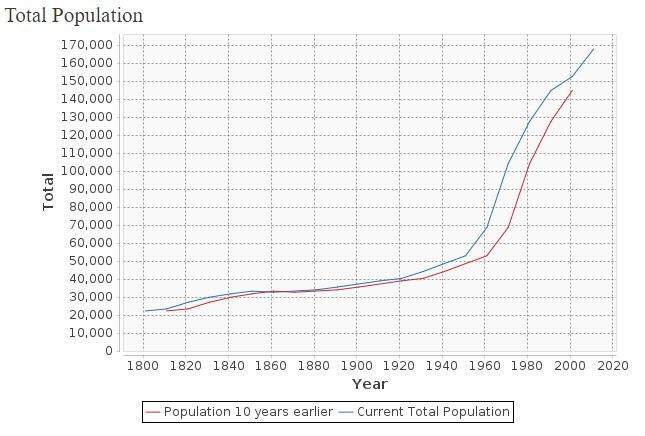
Friday 25 January 2019 – Basingstoke and Its Contribution to World Culture
Lecturer: Rupert Willoughby
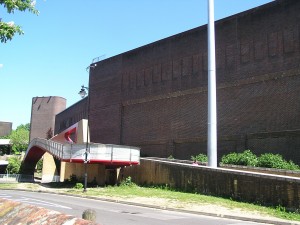
One of the most derided towns in England, renowned for its dullness, Basingstoke is distinguished only by its numerous roundabouts and absurd Modernist architecture. Rupert explains that the post-war planners, who inflicted such features as ‘the Great Wall of Basingstoke’ on the town, were politically-motivated and bent on destroying all traces of its past. He reveals the nobler Basingstoke that is buried beneath the concrete, and the few historic gems that have survived the holocaust. Hilariously told, it is a story that neatly illustrates the ugliest episode in England’s architectural history. As Betjeman wrote prophetically, “What goes for Basingstoke goes for most English towns”.
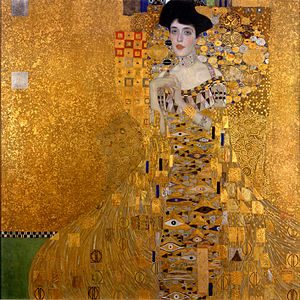
Friday 22 February 2019 – As Good As Gold – The story of gold – its significance and symbolism within the history of art.
Lecturer: Alexandra Epps
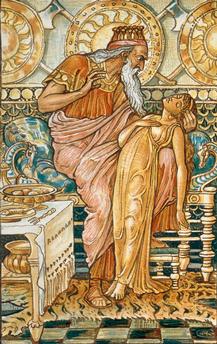
Experience the story of gold and its significance and symbolism within the history of art – as the colour of the sun; the colour of divinity; the colour of status and the colour of love. From creations ancient and contemporary, sacred and profane – all that glitters is certainly gold…
Friday 22 March 2019 – The Seine Estuary Capturing the 19th Century Imagination
Lecturer: Carole Petipher
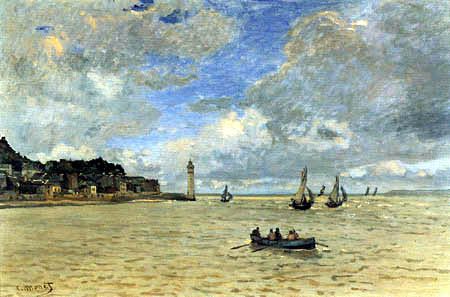
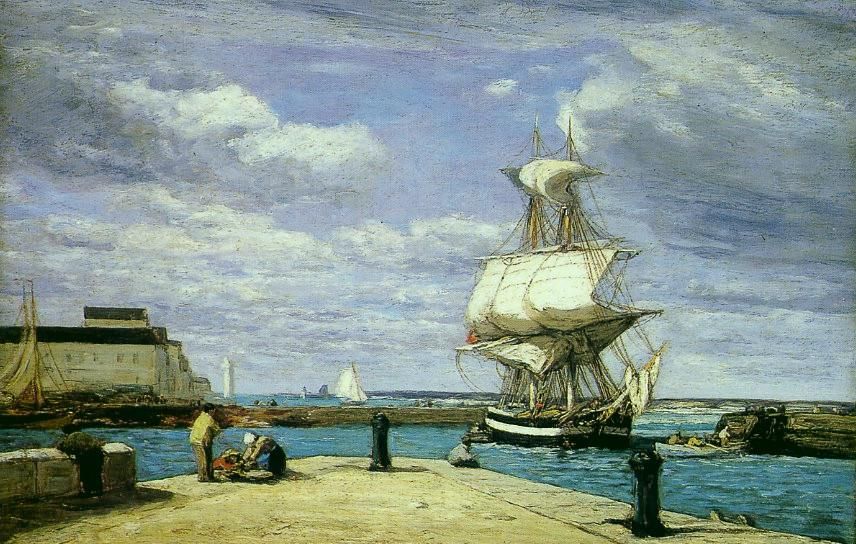
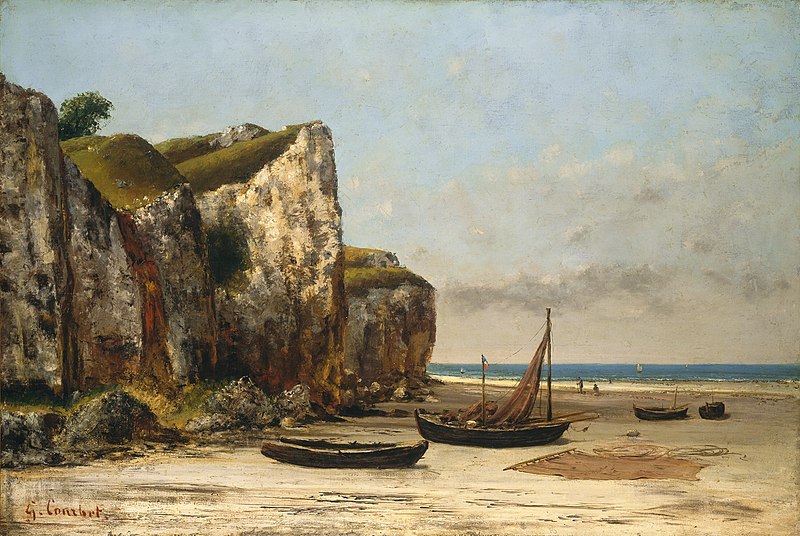
The ever changing sky and sparkling Seine estuary where sky, sea and earth seem to fuse, attracted the 19th artists, writers and musicians. Through the guidance of the “Master of the Skies” Eugène Boudin, Monet took his first ever painting lesson in the open air here. A new way of approaching art was opened up resulting in Impressionism. This lecture will look at the host of artists who flocked to the picturesque harbour of Honfleur and its surroundings to capture, in Baudelaire’s words, “this green and rose vastness which goes to my head like an intoxicating drink”.
Friday 26 April 2019 – Victoria and Albert, Art and Love
Lecturer: Barbara Askew
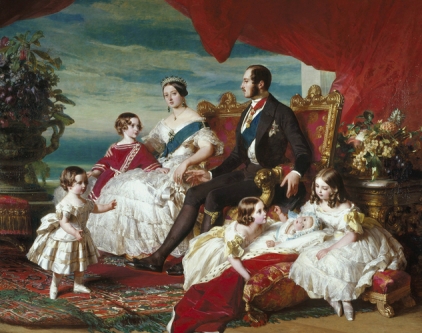
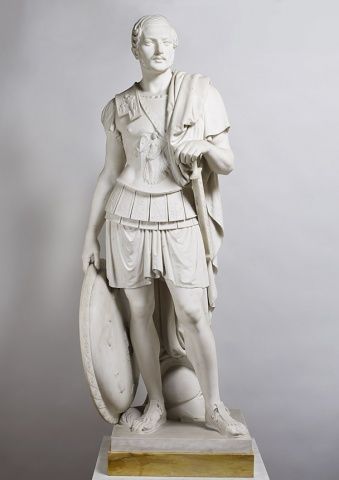
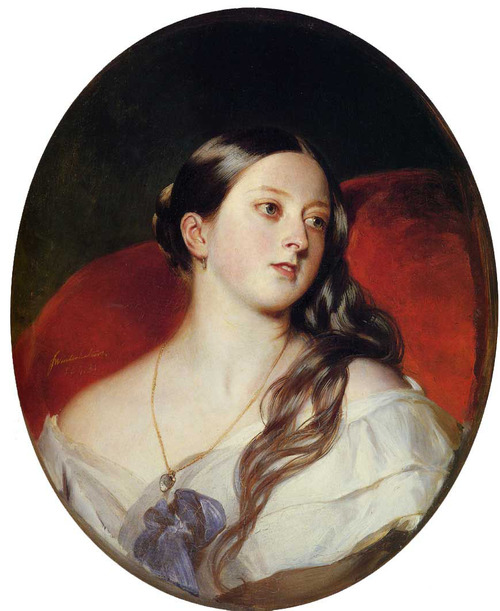
This lecture celebrates the 200th Anniversary of the births of Queen Victoria and Prince Albert who were first cousins and born just three months apart in 1819. Their shared enthusiasm for art and music endured throughout the twenty-two years of their marriage and they demonstrated their love through the works of art and jewellery they gave each other for birthdays, Christmases and anniversaries. Victoria and Albert understood and appreciated sculpture more than any of their predecessors since Charles I. They furnished and extended Buckingham Palace, made significant changes to Windsor Castle and commissioned three other royal residences, Balmoral, Sandringham and Osborne – the single most important example of their shared taste. Theirs was a partnership of patronage by a monarch and her consort which is unique in the history of the British monarchy.
Friday 24 May 2019 – The Botanic Gardens of London Before Kew
Lecturer: Mark Spencer
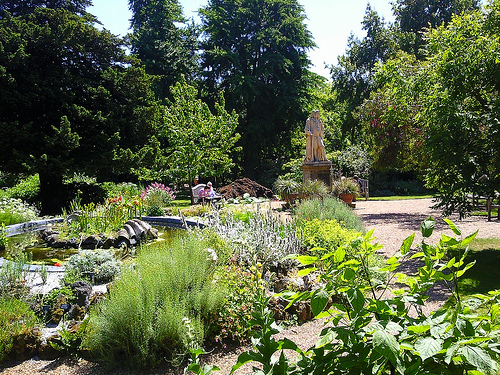
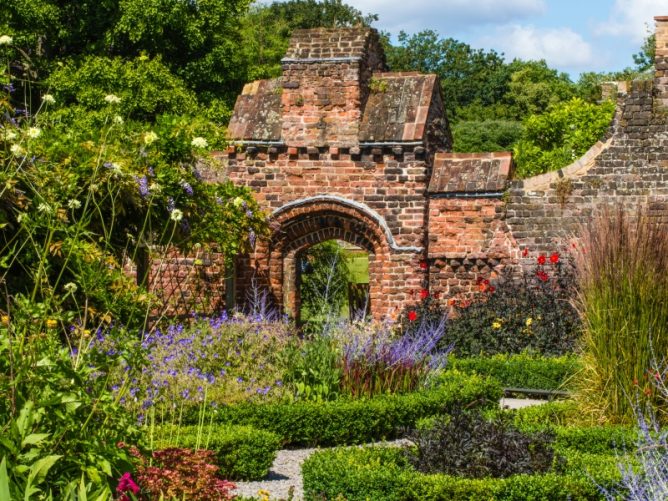
The 17th & 18th centuries saw the introduction of thousands of plant species from across the world into northern Europe. Many of these plants are now staples of our gardens: magnolias, lilies, pelargoniums & Michaelmas-daises to name a few. Long before Kew Gardens was established, these plants found new homes in the, then great, gardens of London and its environs; places such as, the long-lost garden at Westminster, Hampton Court under the care of George London, Fulham Palace home to Bishop Compton or the two great gardens of Chelsea, one of which survives – the Chelsea Physic Garden.
Chelsea Physic Garden
Fulham Palace
Friday 28 June 2019 – Making a Stand – Sporting Architecture, List it or Lose it?
Lecturer: Simon Inglis
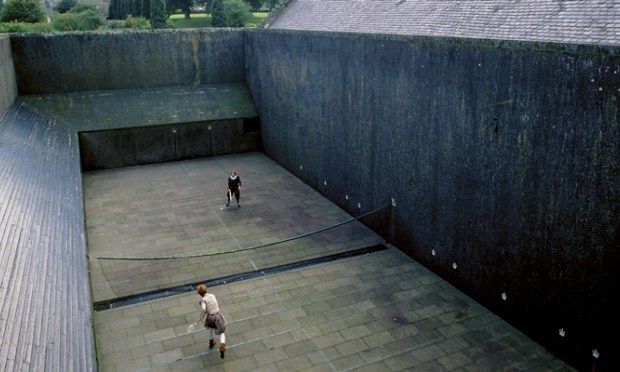
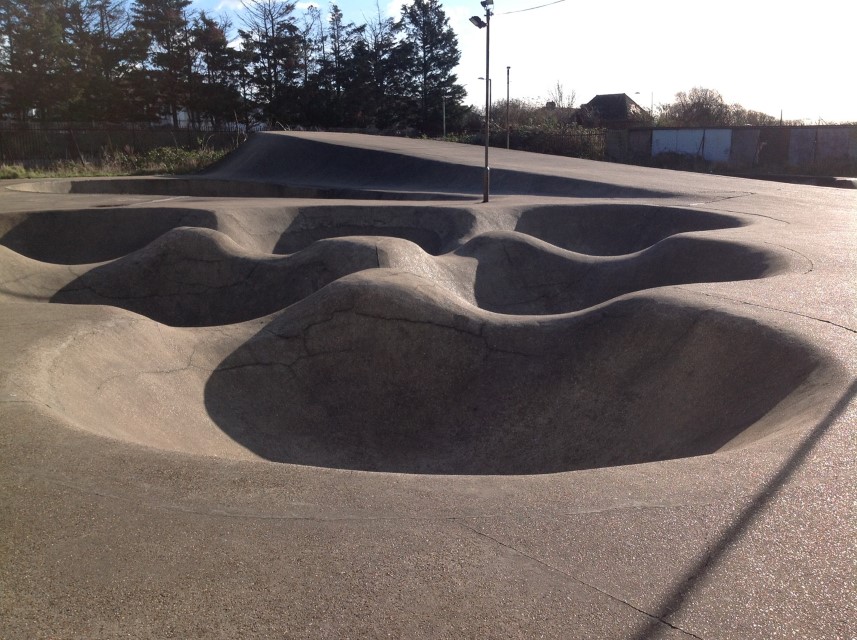
There are currently over 316,000 listed buildings in England, and thousands more in Scotland and Wales. But only a tiny proportion of those are related to sports or recreation. After 35 years of research in the field, Simon Inglis introduces us to some of the most interesting examples, from a 15th century tennis court in Scotland to a 1970s skatepark in Essex. Why are these buildings – among them grandstands, pavilions, squash courts and scoreboards – so important? What do they tell us about our sporting heritage and social history? And why has it taken so long for recreational buildings to achieve the same level of protection afforded to buildings in other sectors? Wherever possible Simon will feature local examples in his lecture.
Falkirk Real Tennis Court
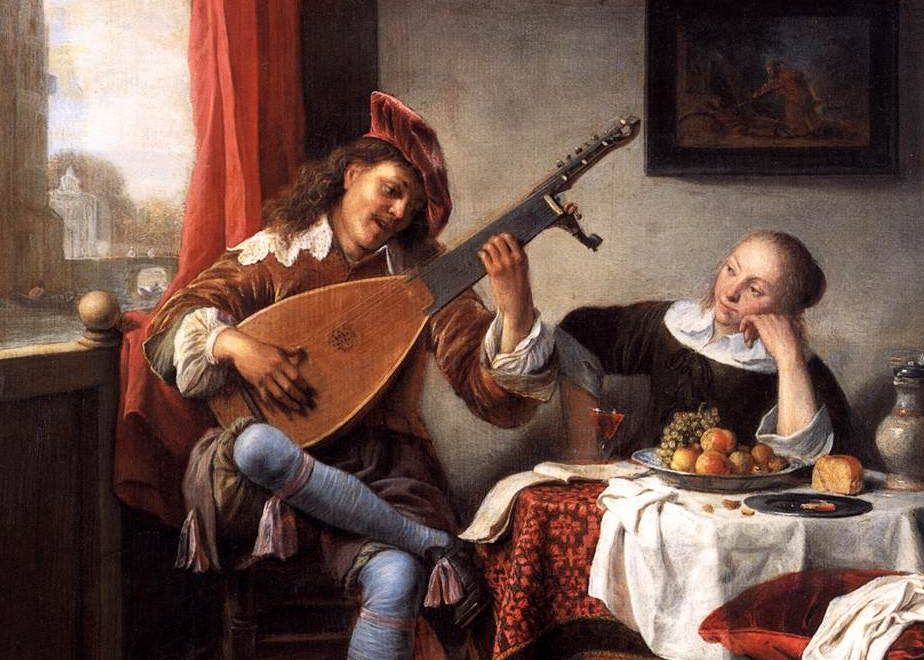
Friday 26 July 2019 – The Queen of Instruments: The Lute Within Old Master Paintings
Lecturer: Adam Busiakiewicz
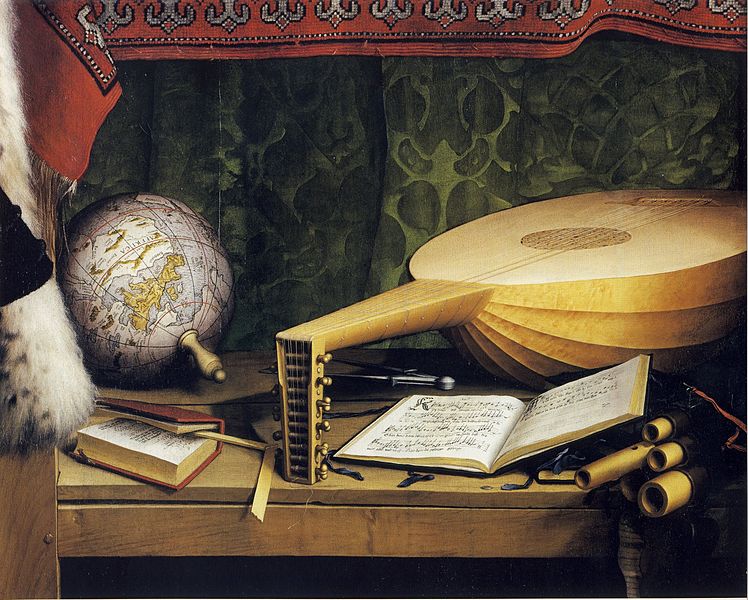
The lute holds a special place in the history of art: painters of the Italian Renaissance depicted golden-haired angels plucking its delicate strings, evoking celestial harmony; in the sixteenth century, during the rise of humanism, the lute was a becoming pastime of educated courtiers, as depicted by the likes of Holbein and Titian; throughout the seventeenth century, the instrument continued to play a key role in emphasising the intimate, debauched and transient pleasures of interior scenes by Jan Steen and portraits by Frans Hals. This lecture looks at the lute, and other musical instruments, as devices to express various aspects of the human character throughout the ages.
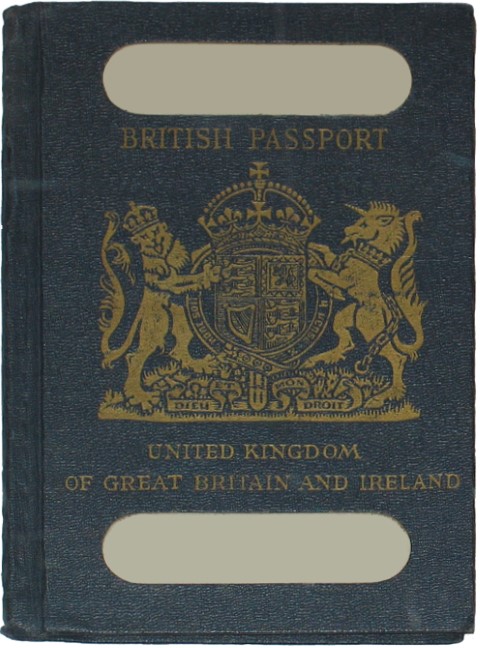
Friday 27 September 2019 – Secret Art in the Passport – how we use it to fox the forger
Lecturer: Martin Lloyd
From the wax seal to the microchip, man has exploited the skill of the artist and artisan in his attempt to manufacture a forgery-proof document. Taking you through three centuries of passport design, this lecture explains the overt and uncovers the covert to illustrate the defences built in to the passport and the tricks the forger uses to defeat them. You will never see your passport in the same light again!